

Real Talk: Judges Are Hilariously Weird
Because Legal History is Surprisingly Bizarre


Introduction:
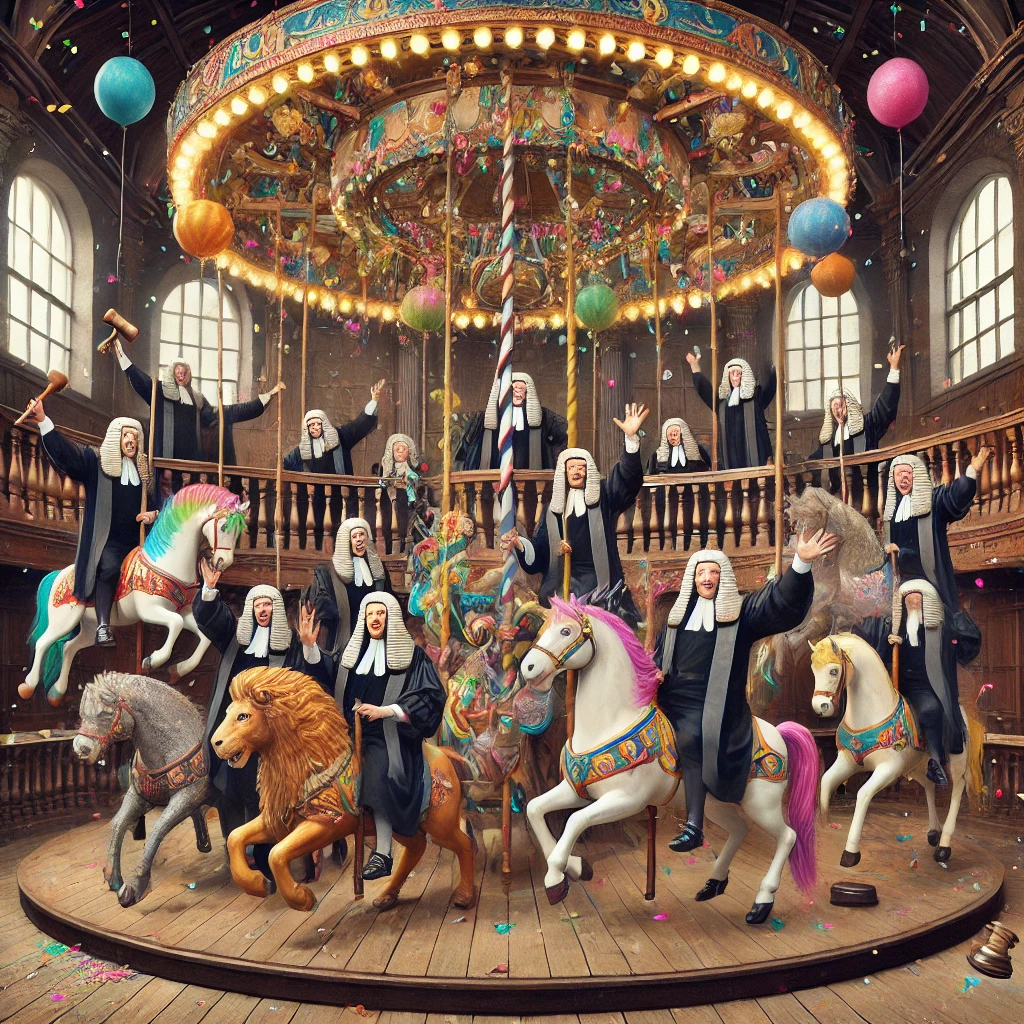
Prepare to have your gavel dropped and your mind blown! Did you know that, back in the 1800s, a Supreme Court Justice once carried two pistols under his robe during site visits? Yes, you read that right! Our deep dive into American judges is going to be as wildly unexpected as finding a slice of pizza in a stack of legal documents. The history of judges in the United States is a cacophony of peculiarities and hilarious quirks, proving that the judiciary is not as buttoned-up as its reputation suggests.
Judges, while respected for their wisdom and fairness, have also made some eyebrow-raising decisions and exhibited behavior that seems straight out of a comedic sketch. They wield the power of the gavel like Gandalf wielding his staff—sometimes with serious mystique and other times with puzzling unintended consequences. Join us as we wander through the halls of justice to uncover a collection of legal oddities and revelations about American judges that will leave you chuckling from the bench to the bar. Just remember: In a world full of order and procedure, there’s always room for a little chaos!
Supreme Cowboys in the Courtroom
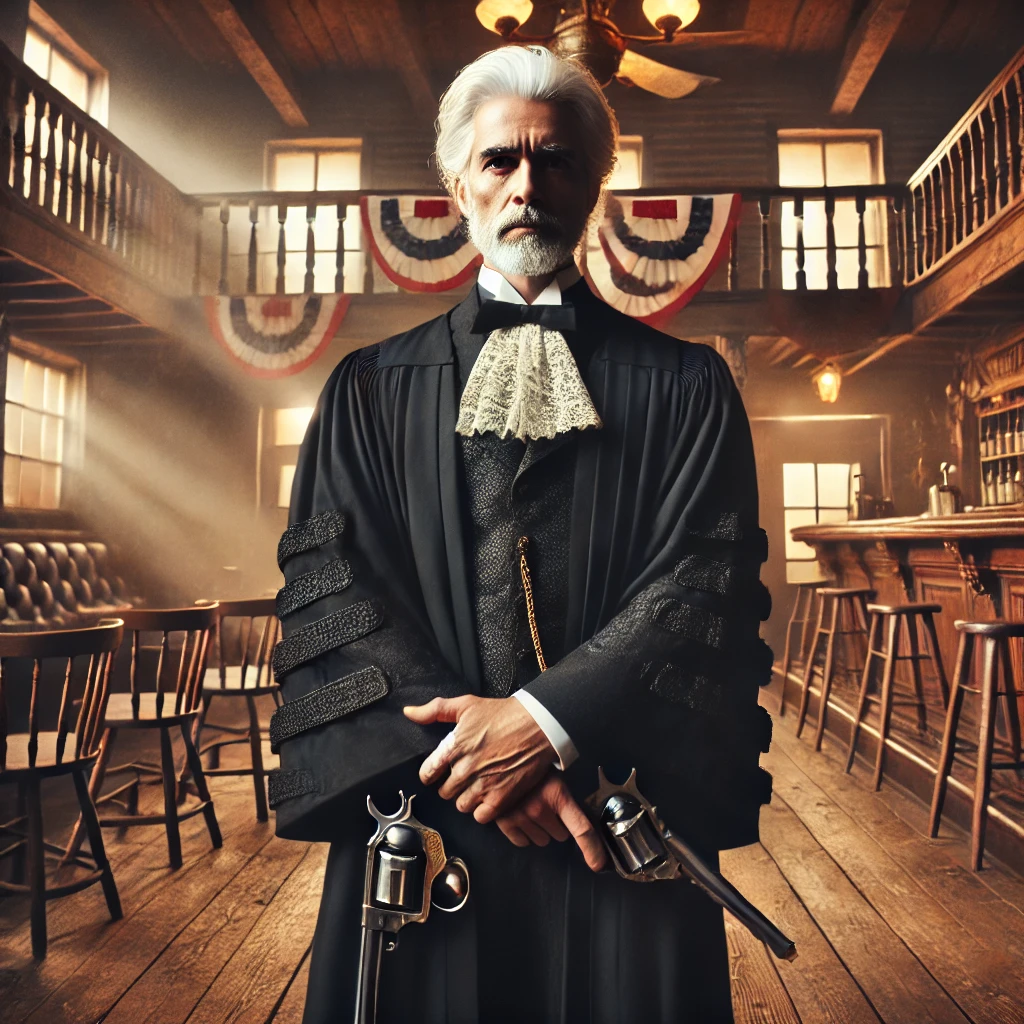
Believe it or not, Supreme Court Justice John Marshall once packed heat with a pair of pistols during site inspections. Amid land disputes, he wanted to be ready for any courtroom drama that veered off script. This move transformed the highest court’s travels into something resembling a Wild West showdown rather than dignified legal proceedings.
Expectation: Legal clerics harmoniously presiding over the law.
Reality: A potential shootout at the old court corral.
Comparing this to modern procedures, it’s like expecting a White House press conference to feature a laser tag match.
Despite never needing to use his firearms, Marshall’s practice still sparked conversations about what constitutes “dressed to impress.”
So, what do you think? Should present-day judges accessorize with a little extra bang?
The Hat-Tip to Chief Justice John Jay
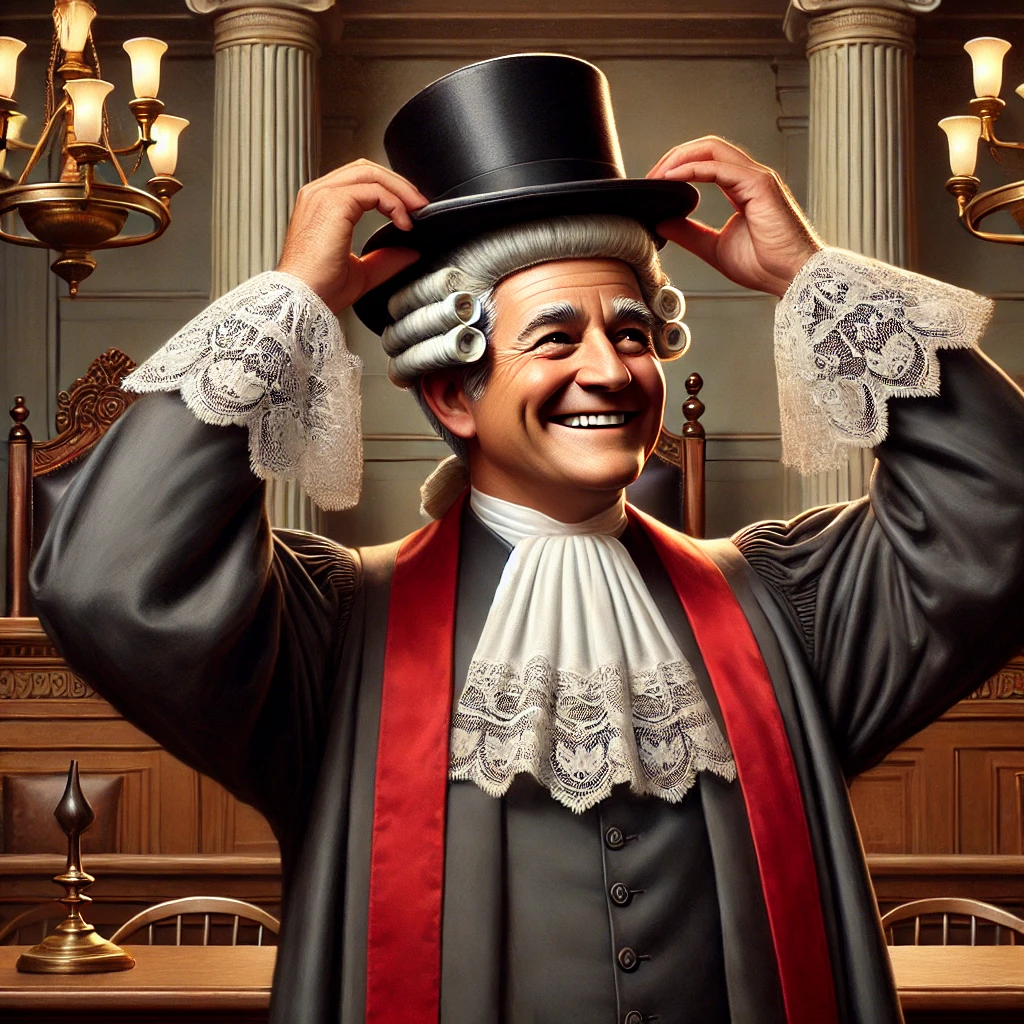
In 1789, John Jay got to serve as America’s very first Chief Justice—and the only one who, possibly, took fashion cues from a certain bear. Unlike his successors, he occasionally donned a hat on the bench. The roots of this curious sartorial selection? Historical paintings and recorded anecdotes suggest the courtroom might have been chilly, or perhaps he felt the hat added an authoritative flair.
Expectation: Hallowed silence as dignitaries swore on law books.
Reality: Jury members wondering if Chief Justice Jay moonlighted as a bonnet designer.
A comical comparison could be made with an umpire in a tiara—you wouldn’t expect it to lend credibility, but somehow it works! And here’s the kicker—his hat-wearing habit inspired a brief fashion rage among aspiring judges of the day.
Wigs anyone?
Judicial Wizardry Gone Awry
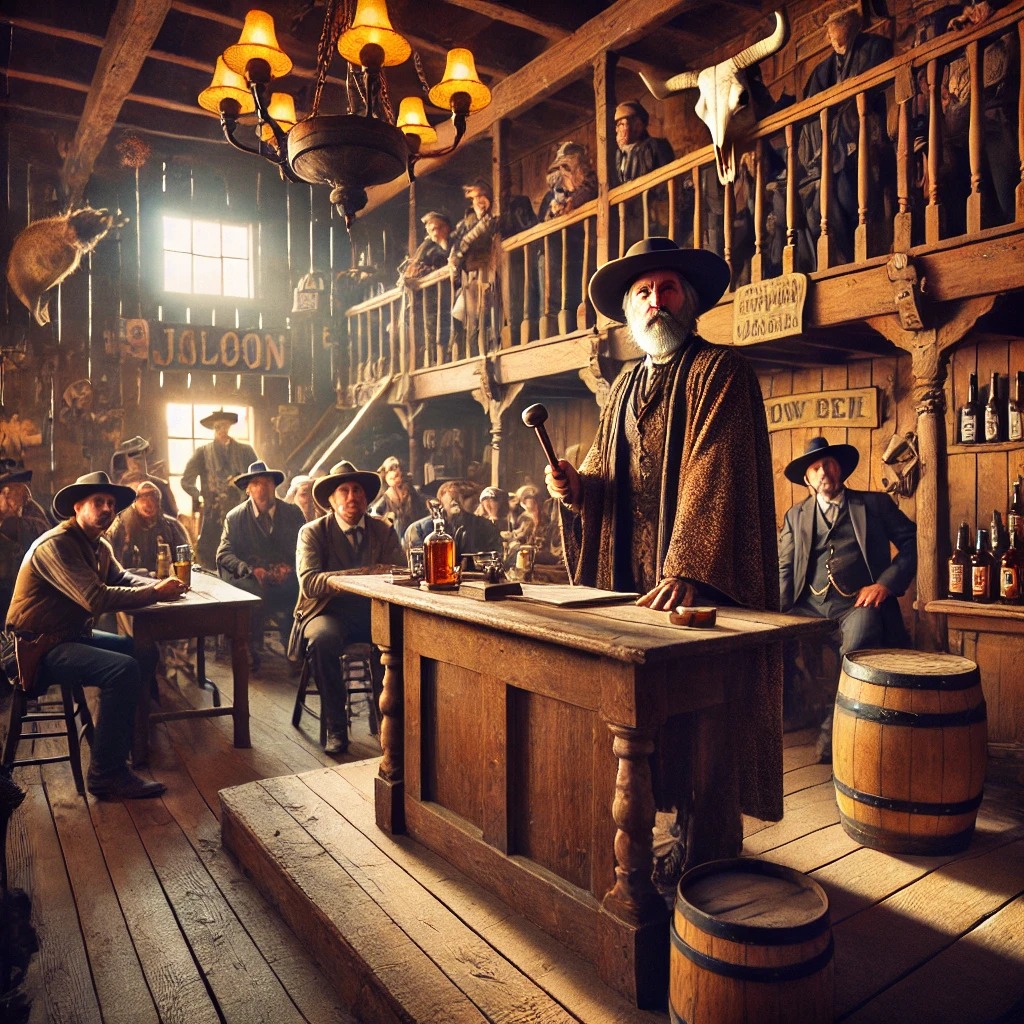
Imagine a judge, more Gandalf than Ginsburg, attempting to out-magic the crowded courtroom. Enter Judge Roy Bean, preeminent lawmaker of Langtry, Texas, who styled himself as “The Law West of the Pecos.” Known for holding court in saloons, he often ruled with quirks and whims rather than strict adherence to the law. One legendary case involved him fining a corpse for carrying a concealed firearm.
Expectation: A hallowed, eternal pillar of justice.
Reality: Justice, served with whiskey instead of wisdom.
Comparing Bean’s tactics to setting a GPS with a Ouija board equally raises eyebrows. Amazingly, thanks to such unconventional judgment, Langtry’s tourism boomed, as folks ventured afar to witness this law-and-order hoopla.
Does anyone else hear the faint clinking of spurs echoing through the courtroom?
Ol’ Timer Justice Valet Parking
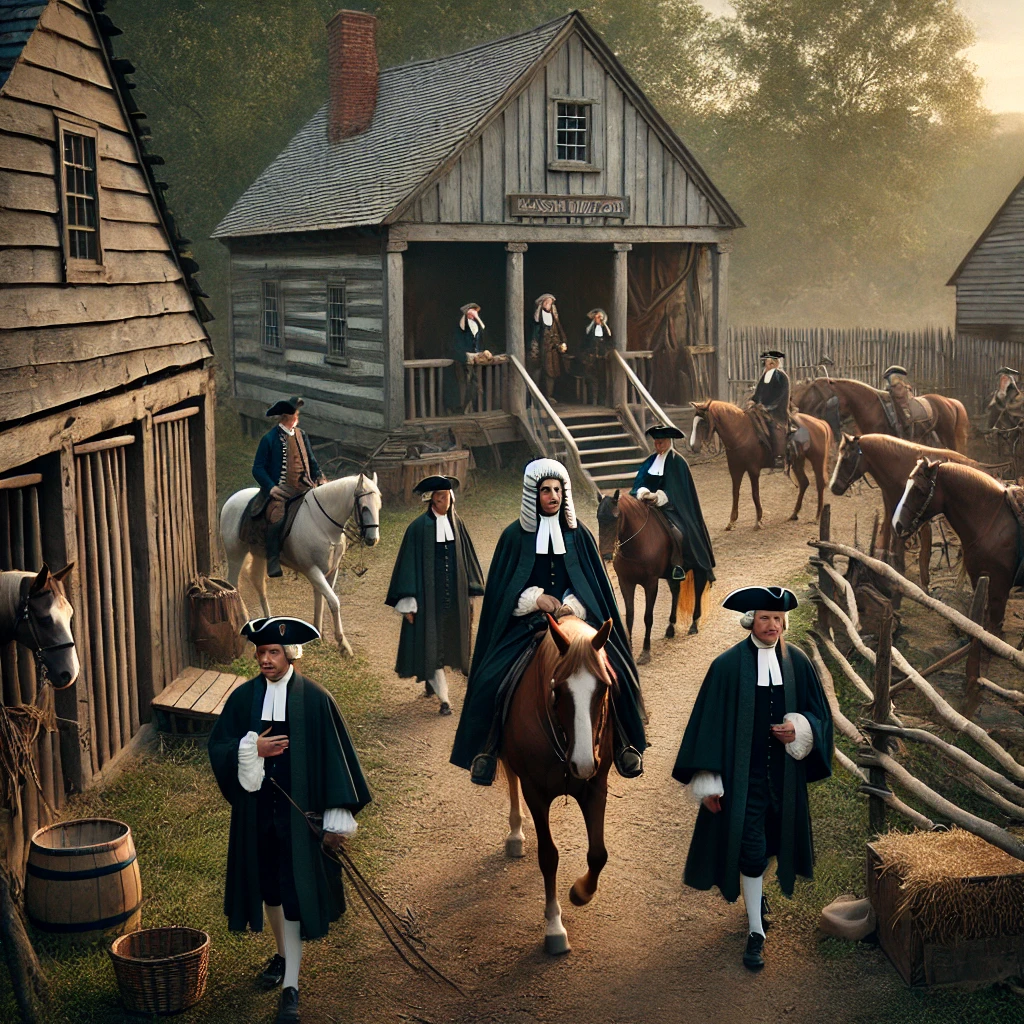
At one point, where parking was a concern less about street placement and more about stable accommodations, judges in colonial times wrestled with horse-drawn courtroom entry. In some instances, courts which doubled as stables meant judges might arrive just in time for proceedings, only to dismount and boldly walk in gravel-and-horse-debris covered shoes.
A federal judge dispatched to mobile circuit court duties declared it vital to keep extra hay bales for guest seating—expectation, of course, being either horses delivering notes or neighing along court records.
Try comparing this to arriving at a board meeting via a hoverboard, and the image gleefully juxtaposes today’s concerns over beacon lighting for convenience.
Court documents mysteriously “eaten by horses” occasionally became legitimate causation!
When’s the last time your courtroom ran out of oats?
Mayhem at the Midnight Court
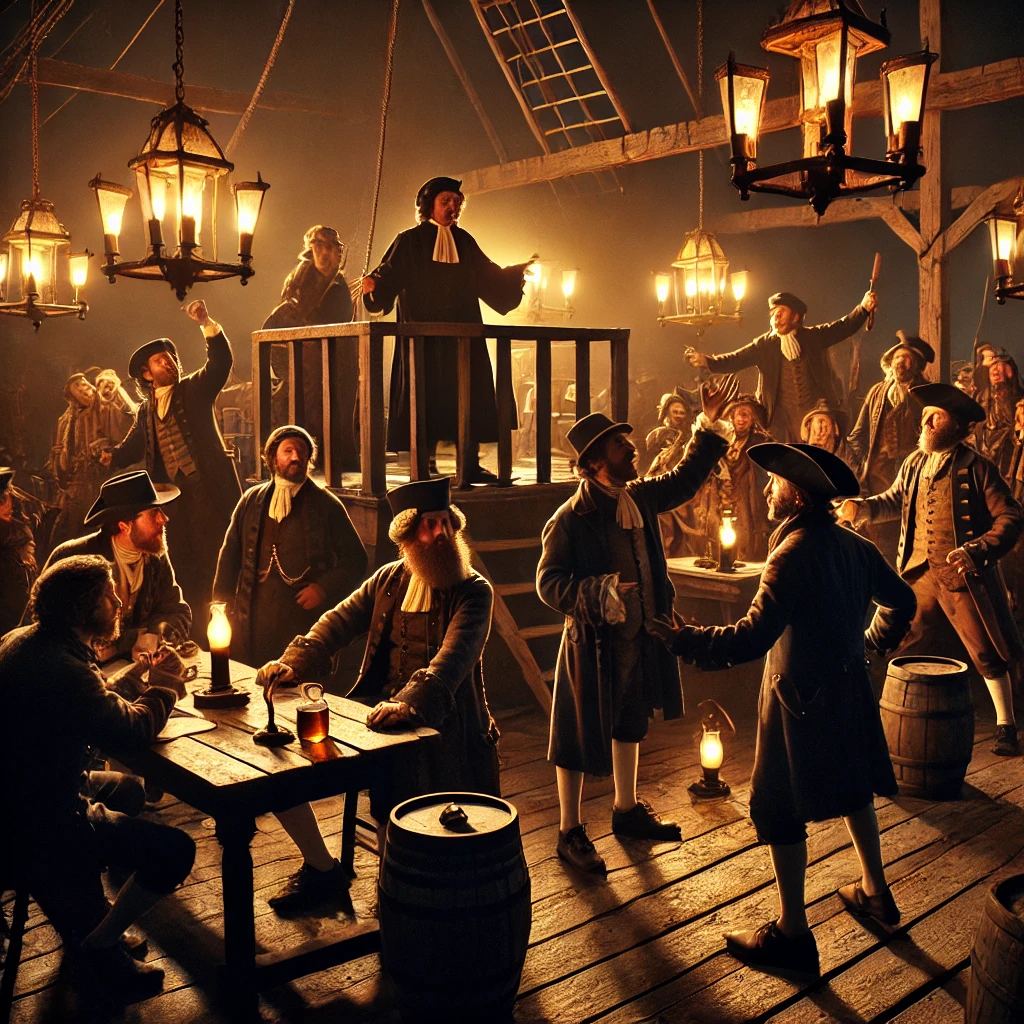
A tale of a judge who truly understood the meaning of perpetual motion—Theodore Korn, a San Francisco municipal judge, who conducted night courts well past traditional sleepy time in the late 19th century. Initially, it served to process the increased volume of maritime candidates without anchoring service delay. Yet setting implicit societal class divisions, night court catered solely to sailors and the constituency’s more mysterious characters.
The expectation was orderly seas; the reality was a courtroom well-installed for lamp-lit antics.
Transporting courtroom decorum to a rave doesn’t seem entirely impossible!
Legend suggests some attendants billed their services as evening entertainment for less-responsibly clad locals.
Would you prefer nautical navigators decide their fate in daylight, though?
Courtrooms Gone Batty
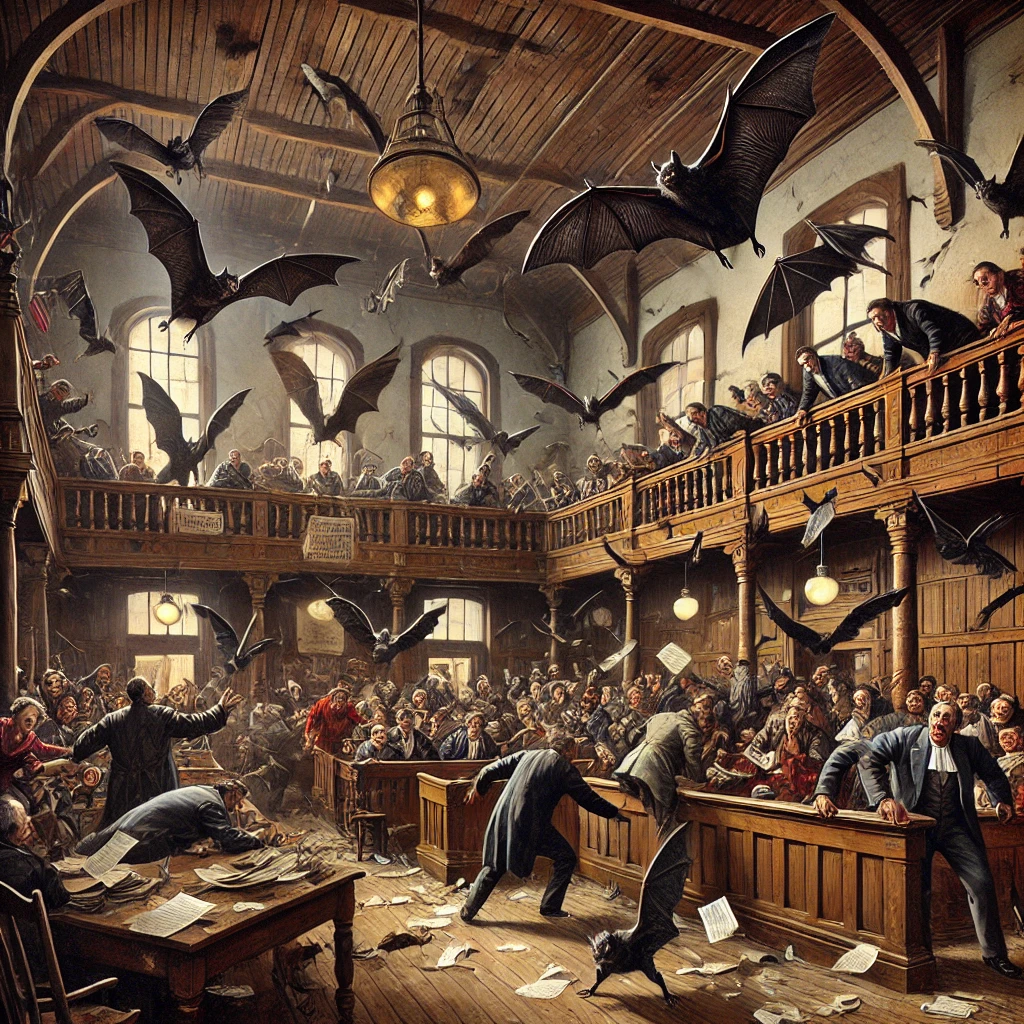
Natural disasters? Case continuances. Public holidays? Scheduled delays. But bats swarming a Louisiana courthouse chamber? Genuine batty business. The Gulf Coast saw precisely this in 1892 when bats overtook salient courtrooms earmarked for local tax disputes and developments. Litigants, armed with brooms, were called to respond accordingly—turning legal conversation into something better akin to a vaudeville showcase.
Expectation: Steadfast judgments on behalf of state revenue.
Reality: Guerilla field maneuvers in coexistent nature against flying foes.
Imagine if IRS fillings grew wings and syphoned off into the skies—a nightmare paperwork dance is embodied!
Presiding officials ruled fumigation as court-tax deductible, fascinating navigators from further afar.
When’s the last time you dodged income-tax seeking critters, folks?
Judgment by Sandwich
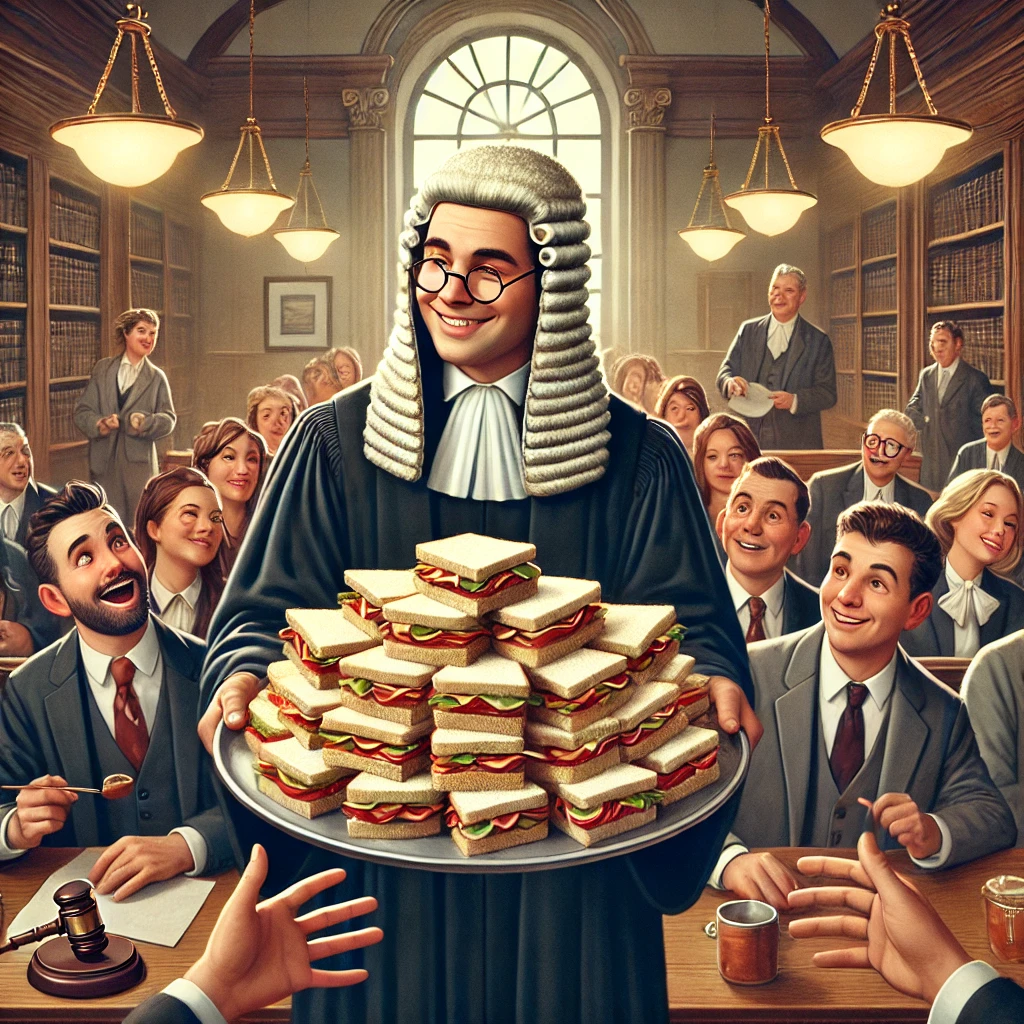
Food has its lawful preserve, with sandwich-related lawsuits few and far between. Yet, in a Chicago courtroom in 1904, legendary trial footnotes claimed proceedings momentarily paused for the impromptu arrival of free sandwiches to ease tension. Before you jump to culinary critique—common backstory conveyed it eased moods amongst charged parties prepping preultimates.
Expectation: Heightened focus amidst courtroom drama.
Reality: It cascaded into shared-lawyer trades and voucher-driven street-smarts.
Compare it to feuding enemies inexplicably tabulating culinary jars of preserves to collectively satiate rowdy courtroom moods. As staid or stand-ish, sandwiches exploded further branches of legendary courtroom-infamy restaurant-width expectations from individual establishment transactions!
So, what’s your white-bread-take on in-court nourishment?
Judges, Jaybirds & Judicial Reformation
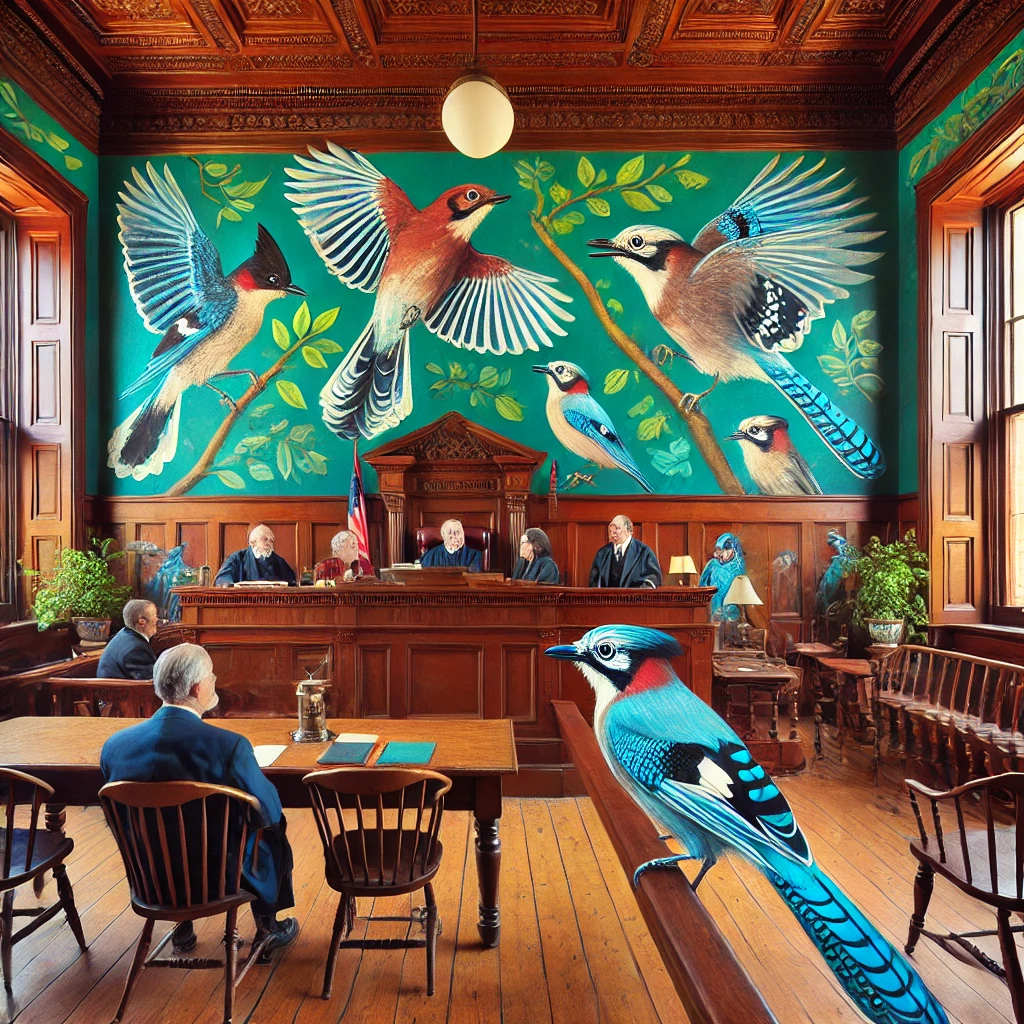
In the earlier stretch of the 20th century, a Texas court became infamous due to its ornithological housebless elevated to icon. Subsequent judicial reformation prevented birds nesting adrift amid discourse, ensuring no juror resplendence transposed. Pioneers drew decorative landscapes of cardinals and robins encircling judgments, leading naysayers to question broad legal undertakings.
Expectation leaned toward depth of perception as corollary.
Reality realized: majestic-bird decor complemented qualifier foundations infusing elegance and disruptive alarm!
Absurdly, ironically—individuals testified with mask-and-beak regalia conventionally circumnavigating!
Is your courtroom reshuffled toward nest-bound consensus, too?
Conclusion:
In the grand cacophony of American history, our judiciary’s peculiar past illustrates cultural paradoxes between elegance and intrusiveness. From artillery-strapped justices to courtroom extravagance so bountiful it invites commentary from Mother Nature’s creatures, “justice for all” doesn’t have to mean “serious for all.” Our retrospective dive into courtly nuances reveals how imaginative quirks and remarkable presidencies transcend judicial confines. Given our spectacular achievements—from sending rovers to Mars to developing cat memes that comfort in sublime banality—it’s somehow fitting that historical litigation repeatedly reveals humanity’s inherently delightful absurdities. Age-old traditions have held merit space-pioneering aspirations, sublimely aligned—once bound, now free. Law, justice, and humor throughout the ages intertwined are the testament of one absurdly amusing timeline. Until our next dig into the wild yet wonderful world of trivial tidbits—stay inquisitive, stay entertained!
If your jaw dropped at least once, my job here is done.
🕵️♂️ Fact-Check Corner:
Rest assured, every peculiar fact you just read is rooted in historical reality. John Marshall’s legendary pistol-toting is no exaggeration; some genuinely odd judicial judgments once loosed allocution prerogatives. Mythically gifted Judge Roy Bean’s courtroom was indeed his saloon, and night courts served midnight shifting crews lawfully. Bats did once disrupt southern litigation proceeds, Thursdays ruled “law sandwiches” dished per protocol, and John Jay’s hat likely deflected scrutiny more than cold bluster. While some creative liberties may embellish for humor and narrative drives, each tale emerges like a pearl from truth’s enigmatic oyster. The law can be stranger than fiction!
