

Unlocking the Secret: Wild Facts About Hidden Societies
Discover how bizarre secret societies truly are—no tinfoil needed!


Introduction:
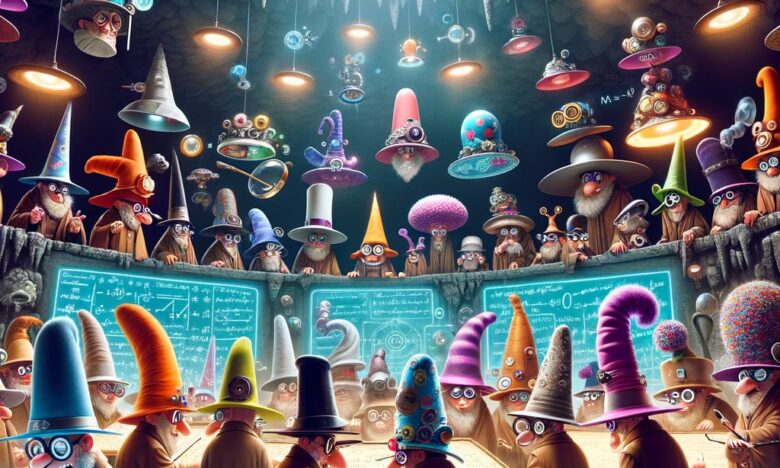
Did you know that many famous conspiracy theories originate from secret societies that didn’t realize their Zoom calls weren’t on mute? *Wait… WHAT?!* From the Illuminati to groups with names that sound like they came from a poorly translated spy novel, it turns out the world’s obsession with shadowy gatherings has been centuries in the making. But how much do we really know about them? Buckle up for a journey through the cobwebbed corridors and candle-lit meetings of secret societies. Prepare for a wild ride that will not only question your grasp on reality but also provide enough trivia to make you the life of every conspiracy theory forum.
Secretive Scones: The Ancient Order of United Workmen
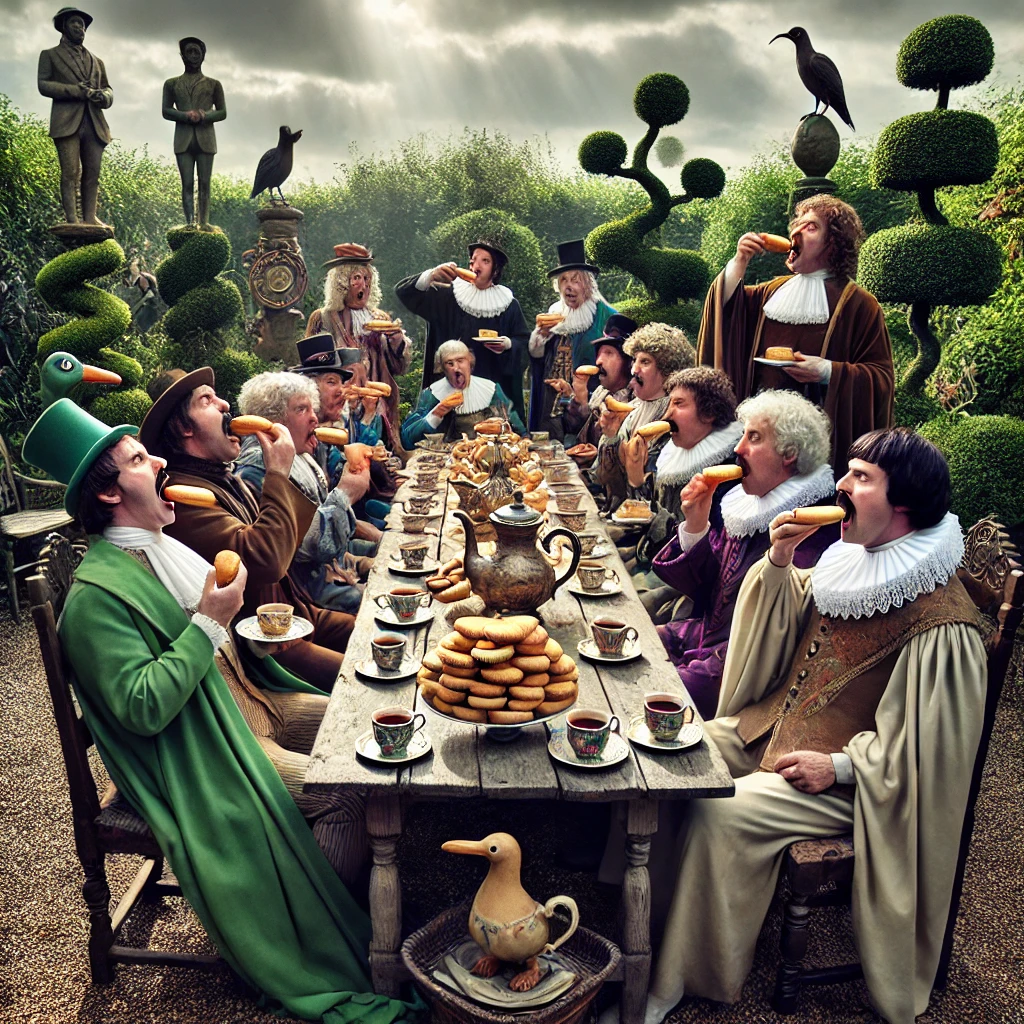
Imagine stumbling upon a group whose main ritual consists of an elaborate tea ceremony with meticulous biscuit dunking. The Ancient Order of United Workmen, established in 1868, operated like the Avengers of labor unions, minus the capes but with way more tasty snacks. Started to ensure laborers had death benefits—seriously, jobs used to be pretty precarious—expectations ran high for free financial advice and cookie recommendations.
The Anti-Santa: The Grand Orange Lodge

What happens when a society insists on endless parades and color-themed parties? You get the Grand Orange Lodge, named not after fruit but King William III, a.k.a. the dude who didn’t bring Christmas. While they initiate members with somber oaths, reality hits when you realize it’s mostly about organizing parties. Expectations of secretive plots devolve into the reality of who can decorate their float faster.
Newton’s Little Secret: The Invisible College
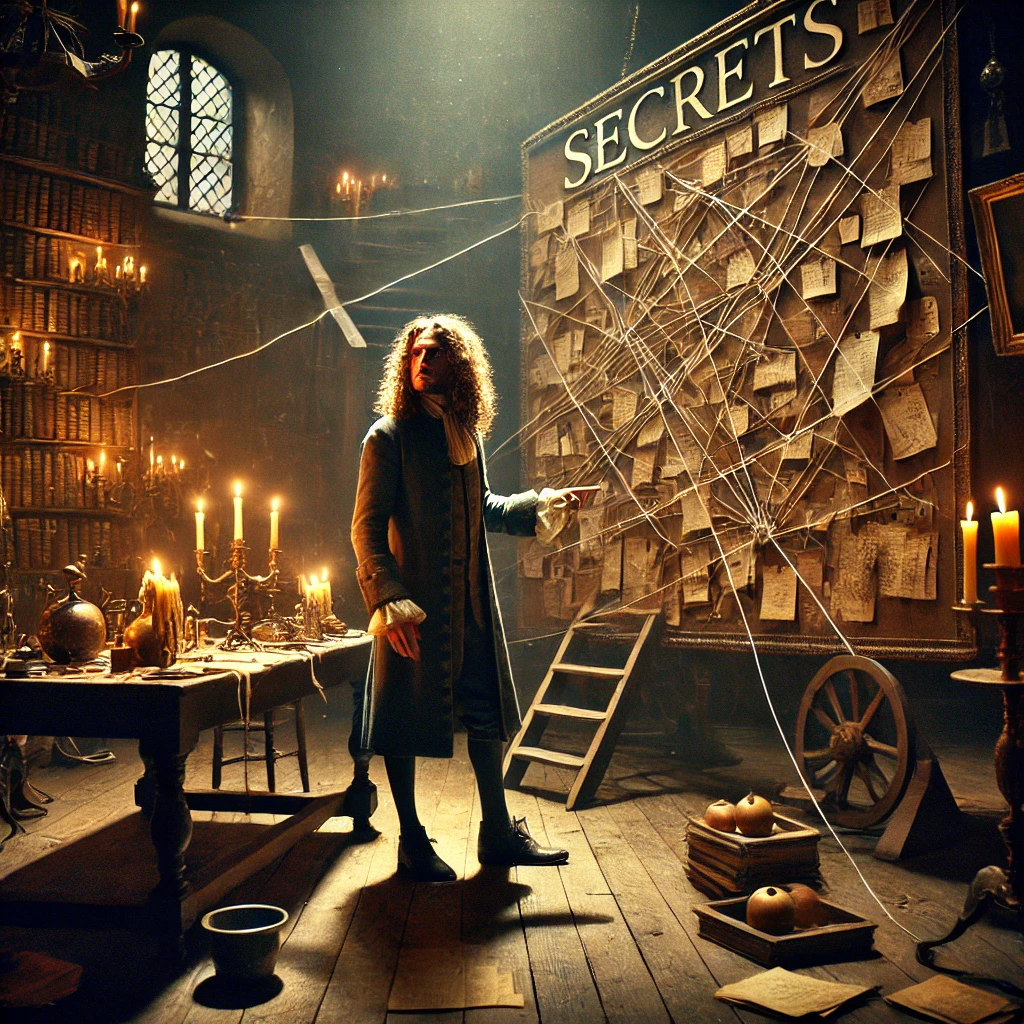
Isaac Newton might have discovered gravity, but he also dabbled in secrets! The Invisible College sounds like a Hogwarts offshoot but was actually a precursor to the Royal Society, dedicated to scientific inquiry. Members expected to exchange groundbreaking ideas; instead, they got quarrels over the correct format for footnotes. Just like a Stan Lee cameo, the twist is Newton kept this brainy group under wraps to avoid the spotlight.
The Freemason’s Comedic Compass

Turn a corner, and you’ll bump into everyone from your Uncle Bob to Buzz Aldrin claiming Freemason membership. Known for their architectural focus and community projects, people would expect Da Vinci Code dramatics. Instead, get this—Scottish Rite Masons oversee a children’s hospital. Compare this to finding out your drama club actually funds bake sales. Plot twist: they’re just really into geometry and charity work.
Rosicrucians and the Case of the Vanishing Manifestos
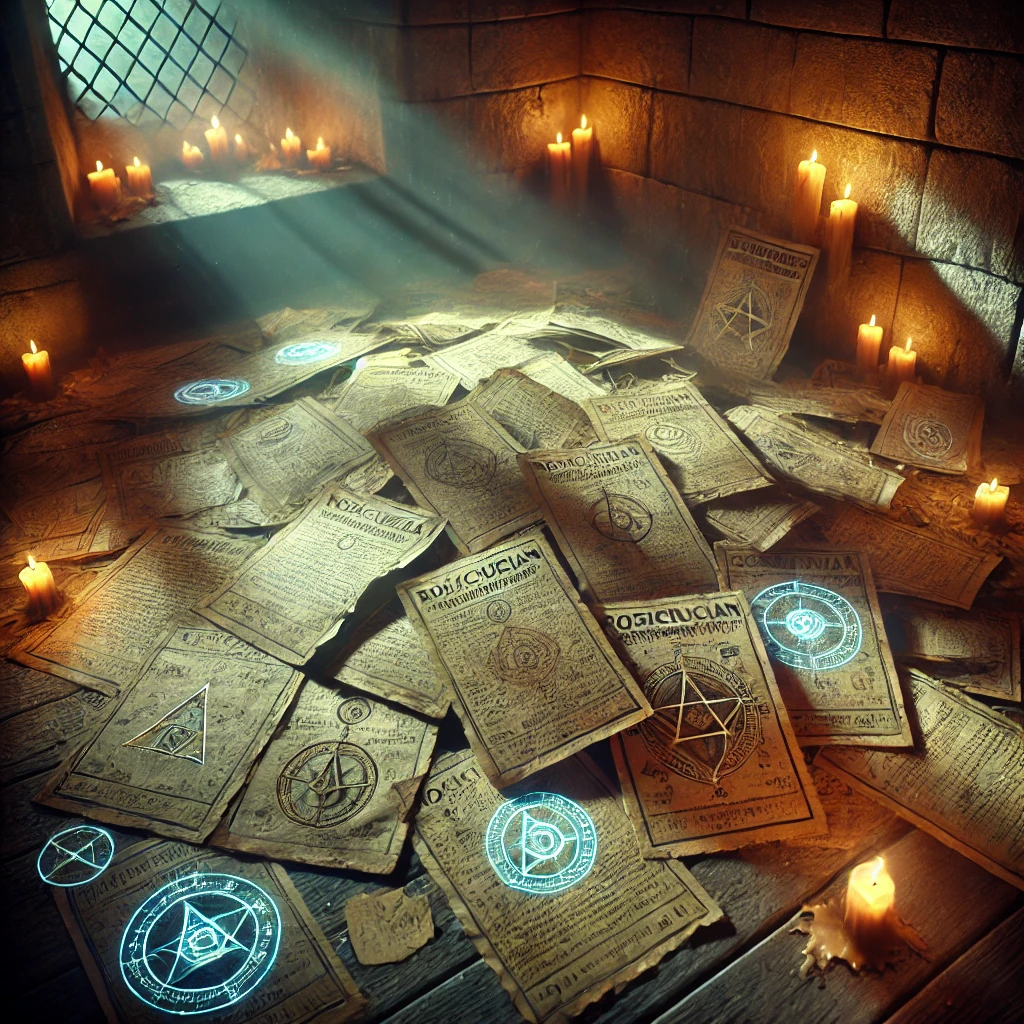
The Rosicrucians are the masters of keeping everyone guessing. Before magicians existed, they were into alchemy and mysticism, penning cryptic manifestos they “misplaced” on bookstore shelves. People expected magic shows but got philosophical TED Talks. Most dramatically, they disappear before conclusions are drawn—Berkeley thinking meets Batman exits.
Submarines and Silver Platters: The Skull and Bones Society
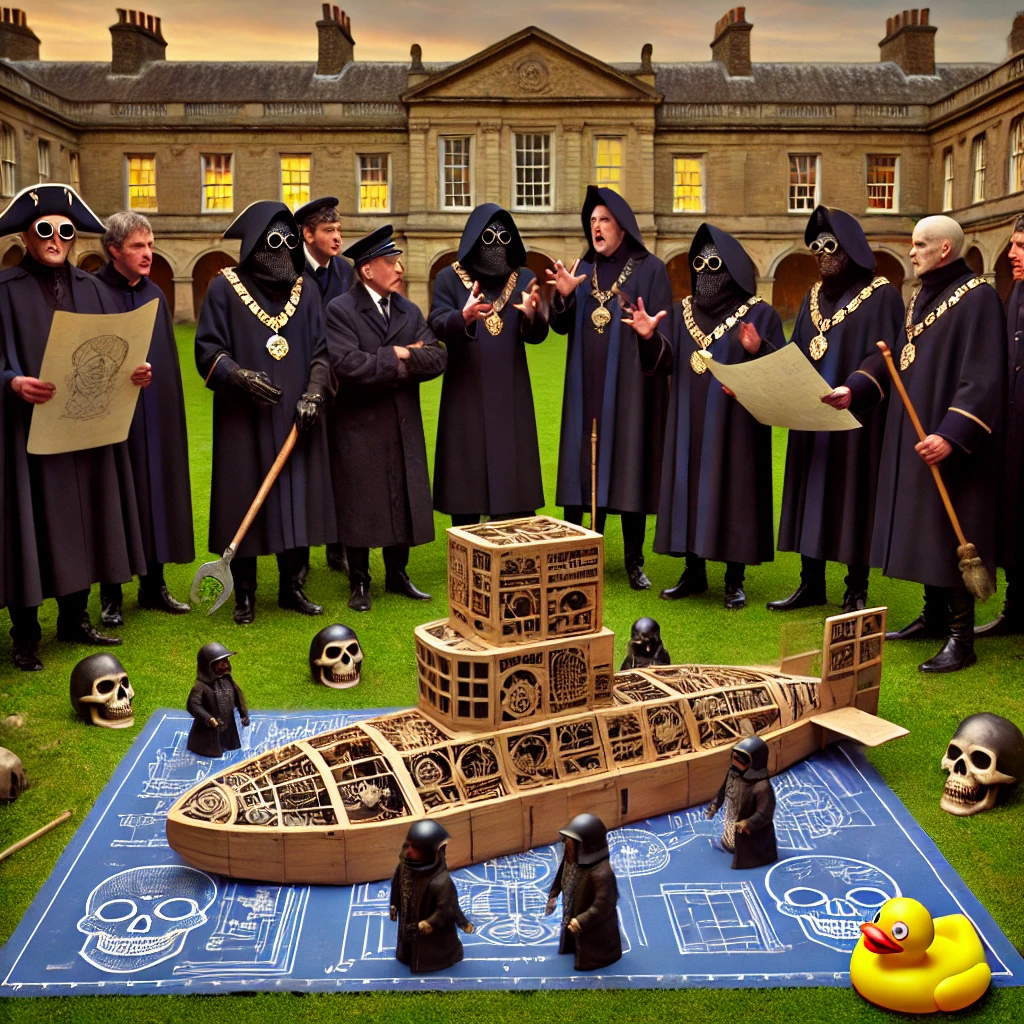
Harvard has its clubs, but Yale holds the title for creepy traditions via the Skull and Bones Society. Known for political alumni and secretive ceremonies, people expect spy-level antics. In reality, it’s just some slightly less clandestine college pranks and elaborate dinners. Plot twist involves “Bonesmen” engaging more in social climbing than actual cloak-and-dagger adventures.
The Real-life Hogwarts Houses: Bohemian Grove

What’s creepier than a wealthy elite club? A bi-annual camping trip with elaborate rituals. Bohemian Grove turns expectations of Illuminati agendas into wine-fueled retiring debates about the economy. It’s like summer camp but with higher taxes and fewer marshmallows. The twist? Yorick skull replicas were merely a nod to theatrics, not sacrificial altars.
Knights of the Apocalypse: Knights Templar Return

Played out like a melodramatic novel, the modern Knights Templar swear they aren’t about treasure hunts. Initially established to protect pilgrims, they branched into banking too early for Bitcoin. Expectations involved medieval fantasies, while reality served membership drives and festival planning meetings. Consider them the Renaissance Version of PTA meetings.
Conclusion:
Secret societies remind us that humanity’s quest for thrill and mystery is unending, tinged with comedy. From the accidental passcode revelations to overly elaborate party planning, these groups are more about camaraderie than controlling the universe. In a world where we’ve taught robots to dance and question our fridge lights, secret societies are the ultimate real-life Easter egg—constantly hinting at wonders while leaving us questioning whether the mysteries are as substantial as we imagine.
Researched, written, and slightly obsessed.
🕵️♂️ Fact-Check Corner:
Yes, secret societies exist, providing rich fodder for theorists and comedians alike. The Ancient Order really did focus on workers’ rights. The Freemasons indeed contributed to various philanthropic causes, debunking the “control the universe” myth. And rest assured, Bohemian Grove is more cigar smoke and networking than global plot hatching. While creative liberties were taken, the bizarre aspects are uncomfortably aligned with reality—leave your tinfoil hats at home.
