

The Silent Letter Mystery: Hilariously Absurd English Quirks!
Silent Letters: When Language Decides to Ghost Its Own Sound!



Introduction:
Silent letters: they’re like the ninjas of the alphabet, silently lurking in words like ‘knight’ and ‘gnome,’ awkwardly waiting to trip up unsuspecting students and language learners everywhere. But how did these elusive phonetic phantoms come to be? Buckle up, because this is a tale of linguistic evolution, human error, and a dash of sheer ridiculousness!
Imagine a time when ‘k’ and ‘g’ were pronounced with gusto, an era where ‘knight’ didn’t sound like a tool for cutting bread, but more like a sneezing cat—“Kuh-nicht!” Fast forward a few centuries and English, in its ever-changing glory, decided to perform a disappearing act with certain letter sounds. Blame invasions, marriage alliances, and a universal love for laziness, but silent letters remain one of language’s greatest mysteries. Join us as we unravel the linguistic comedy of errors that put the ‘silent’ in silent letters, making English both charmingly bizarre and endlessly infuriating.
“Silent ‘K’ in Knight: The Gloriously Vanished Warrior”

Once upon a time, every ‘knight’ would have put a definite K-nockout in their name. Originating from the Old English ‘cniht,’ the beloved knight went through a wardrobe change when Norman French influences turned the word’s sound into a barely-there whisper. Expectation? A gallant, horse-riding epitome of heroism. Reality? A tongue-twister of epic proportions.
“Gnome: The Squeaky Greek That Went Silent”

The mysterious gnome, not just a garden dweller but etymologically a borrowed word from the Greeks, initially included a stab of ‘g’ for good measure. As time ticked on, the silent ‘g’ quietly bowed out, turning these mythical creatures into understated garden guests. Imagine if every Time magazine ‘Gnome of the Year’ was read aloud—‘Guh-nome’ just doesn’t have the same charm, does it?
“Psychology: When ‘P’ Just Stopped Trying”

The psych in “psychology” initially came with a prominent ‘puh’ that would caution you of its complicated nature. But lo and behold, the ‘p’ had other plans. Scratching its head from too many mispronunciations, it threw in the towel, allowing Greek and Latin roots to dictate its standstill silence. If your brain muscles don’t need ‘gym-pnastics,’ your mouth surely doesn’t either!
“Mnemonic: The Justification for More Trickery”

Flashing back to when learning aids were known as ‘mnemonice,’ the silent ‘m’ in ‘mnemonic’ was like that one kid who waves in a group photo but gets cropped out. Expectation vs. reality? People expected a simple lesson, only to be terrorized by silent ‘m’s, making them wish they never tried to remember anything at all.
“Receipt: The Ghostly French ‘P’ Contribution”

Can you hear it? No, neither can the French! The ‘p’ in ‘receipt’ traces back to the Old French ‘recepte’ and Latin ‘recepta.’ Yet, this ‘p’ decided to ghost modern English, sticking around merely to confuse receipts with shit-ake mushrooms—both hard to digest when unaware!
“Knightmare: The Surreal Evolution of Silent ‘Ghousts’
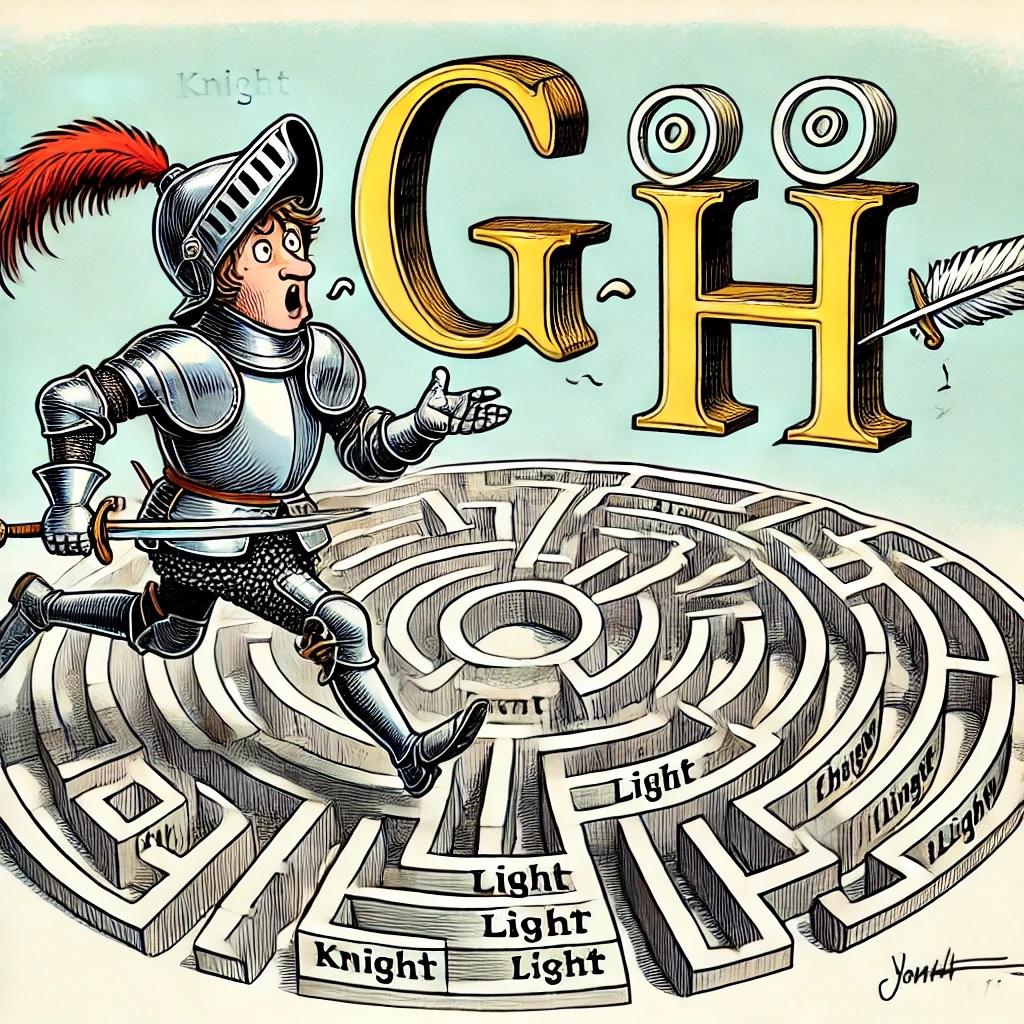
The ‘gh’ in ‘night’ and ‘knight’ gives us a story of how these letters had vocal aspirations that snuck away during the Great Vowel Shift. The expectation was distinct breathy sounds; instead, we get letters sulking in silence. Now isn’t that a ‘knightmare’?
“Muscle: Where ‘You See, but Don’t Hear’”

The silent ‘c’ in ‘muscle’ might as well have taken a sabbatical. Originating from the Latin ‘musculus,’ indicating ‘little mouse’ or muscle due to brawn resemblance under skin, who’d think mere pronunciation could bypass written reality? Next era, we’re anticipating a silent ‘r’ in ‘triceps’— spare your gym instructions!
“Island: When ‘S’ Was Usurped”
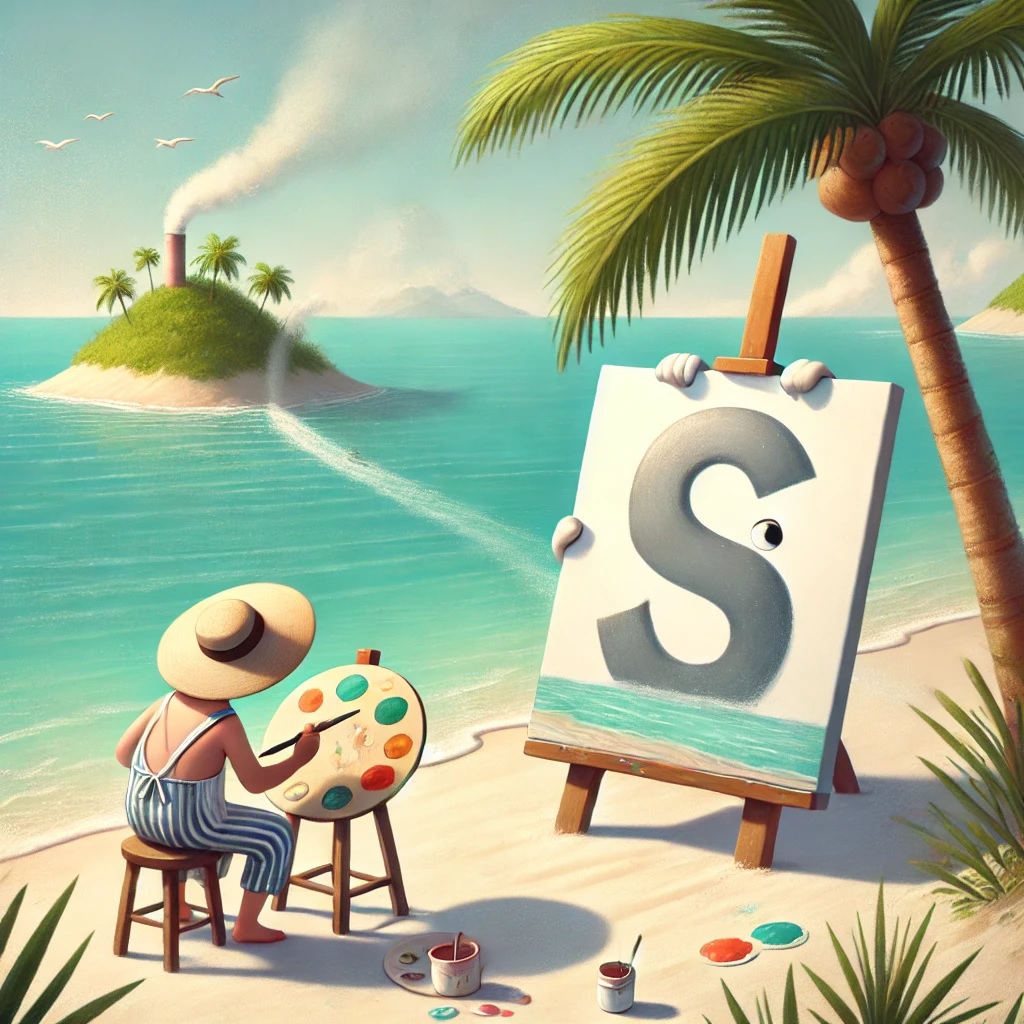
The silent ‘s’ in ‘island’ carried the burden of looking exotic without being vocalized. Originally ‘iland’ from Old English, the ‘s’ was introduced to produce an etymological flair, probably added by land extension surveyors with artistic intentions. Irony? The ‘s’ gets to enjoy an island vacation—without showing up.
Debt: How Middle English Collected Silent Taxes”

The ‘b’ in ‘debt’ stands there like a disgruntled taxman, never really collecting. Tracing back to the Latin root ‘debitum’ with a CTE (Common Tax Etymology), In English, ‘b’ was a shadow consultant, balancing historical respect over vocal commitment.
Conclusion:
Looking back, humanity’s relationship with language has been a curious affair marked by constant evolution, cultural clashes, and a chorus of high-fives from history’s most creative linguists. While our spacecraft explore galaxies, the English language presents us with its silent letter puzzles, coaxing us into an endless game of guessing sounds. Silent letters are the comedic sidekick, reminding us to take language a tad less seriously and appreciate its quirks.
So next time you trip over a ‘gnome’ or wonder why a ‘knight’ would need silence in speech when it certainly wasn’t quiet in action, thank history for the laughs it provides, proof that the shorthand of life is decorated by invisible characters doing a great deal of unseen work. Now, tell us—what’s your favorite word ghost? They’re all ears.
