

Under the Weather: Nautical Origins to Couch Chronicles
Seasickness, Sadness, and the Evolution of a Phrase


Introduction:
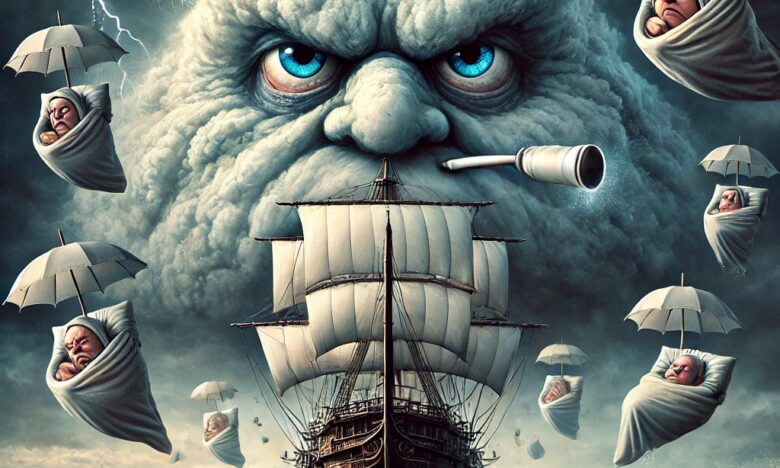
Did you know that the common phrase “under the weather” initially had nothing to do with gloomy emotion or bedbound misery? Picture it: the year is 1835, and you’re aboard your trusty sea vessel, navigating the tempestuous Atlantic. The sea isn’t merely tempestuous—it’s having what can only be described as a towering tantrum, and it’s aiming to send breakfast right back from whence it came! It’s from these salty, swaying origins that the phrase “under the weather” emerged—a term used to describe sailors feeling seasick and needing to be taken below deck to shield from the smiting skies.
Fast forward to today, and suddenly, this phrase has traveled shores and found itself all snug in our modern lexicon. When someone laments they’re “under the weather,” they’re usually cozy beneath a quilt, tissues in reach, possibly binge-watching shows or dreaming of returning to sea…er, health. But let us dive deeper into why this nautical nuisance became synonymous with sick days and sadness. Prepare to marvel at times past—because it’s time for “Under the Weather” like you’ve never imagined it before!
Sailing the Stormy Seas of Yore
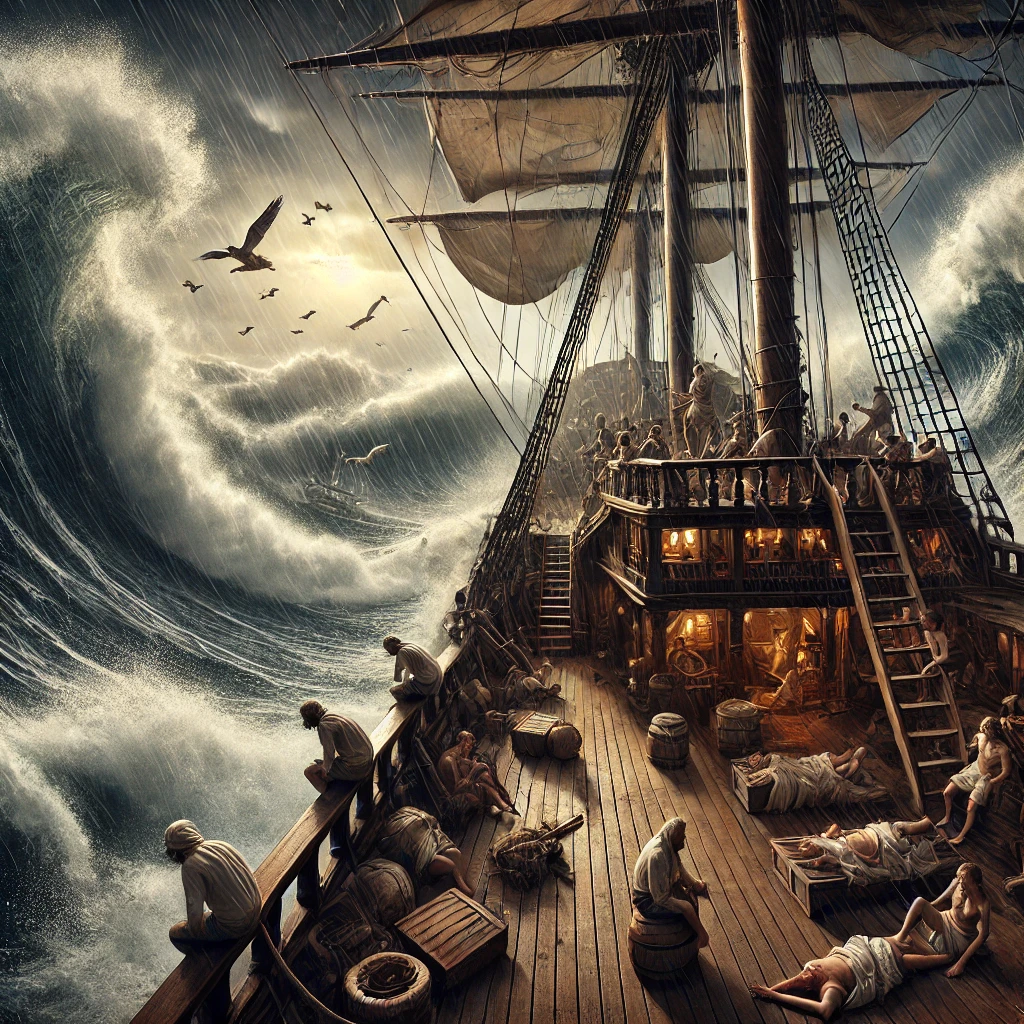
Believe it or not, diving beneath deck was the only remedy against the merciless waves which could make sailors’ stomachs perform acrobatics worthy of a royal court jester. Historically speaking, “under the weather” explicitly referred to sailors retreating below deck to avoid becoming dinner for the fish—not that being a sailor was ever actually royal…or jesting! In those wooden hulls of hope, sailors sought refuge from turbulent storms, where above-deck wielded miseries only Poseidon could concoct.
Counting Clouds: From Ship to Sheet

f you ever wondered what clouds and flannel sheets have in common, you’re not alone. Away from the spray of the sea, linguistic blasphemy occurred as landlubbers adopted “under the weather”—and weirdly, it manifested into a term among the sick and bedridden. Expectation was to use it flippantly. But reality? It spiraled into a poetic vagueness bestowal, giving richness to our buffeted souls which only homesick sailors could taste!
Banishing Storms with Bowls of Soup

Once the winds of change had thoroughly enveloped the English language and blown this nautical term ashore, people found solace not in sails, but in hot broth. That’s right—instead of bracing against harsh storms, modern homeliness included curl-ups with best friends—blankets and chicken noodle. This preference was akin to an absurd tradition where warmth from within could ward off clouds without.
The Foggy Fortunes of Idioms
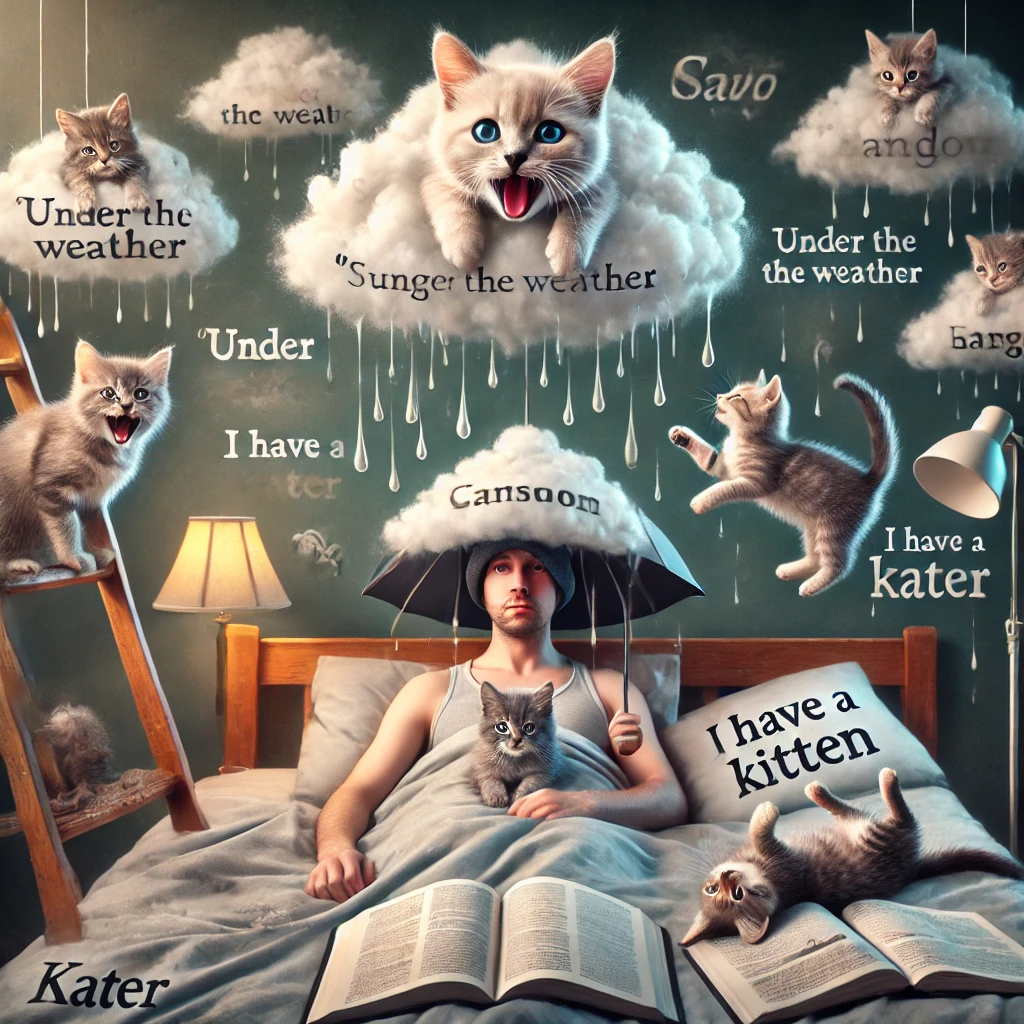
Surprisingly, idioms like “under the weather” translated shockingly clunky across cultures. Take the Germans, who instead say, “Ich habe einen Kater” (I have a hangover)—literally calling their woes a kitten! Mismatched translations placed this idiom everywhere from purring felines to—dare I say—weathering full-force hangovers. Perhaps rain clouds and cats aren’t that far-fetched after all…
Sick-Sad Shipmates of Today

Through today’s jargon evolution, many have taken poetic liberties to redefine the idiom for emotional funks—those days when wallowing under a gloomy mental cloudified universe feels warranted. Sometimes, it’s societal stress storms that land people bedridden, and not just another flu season.
The Great Umbrella Conundrum
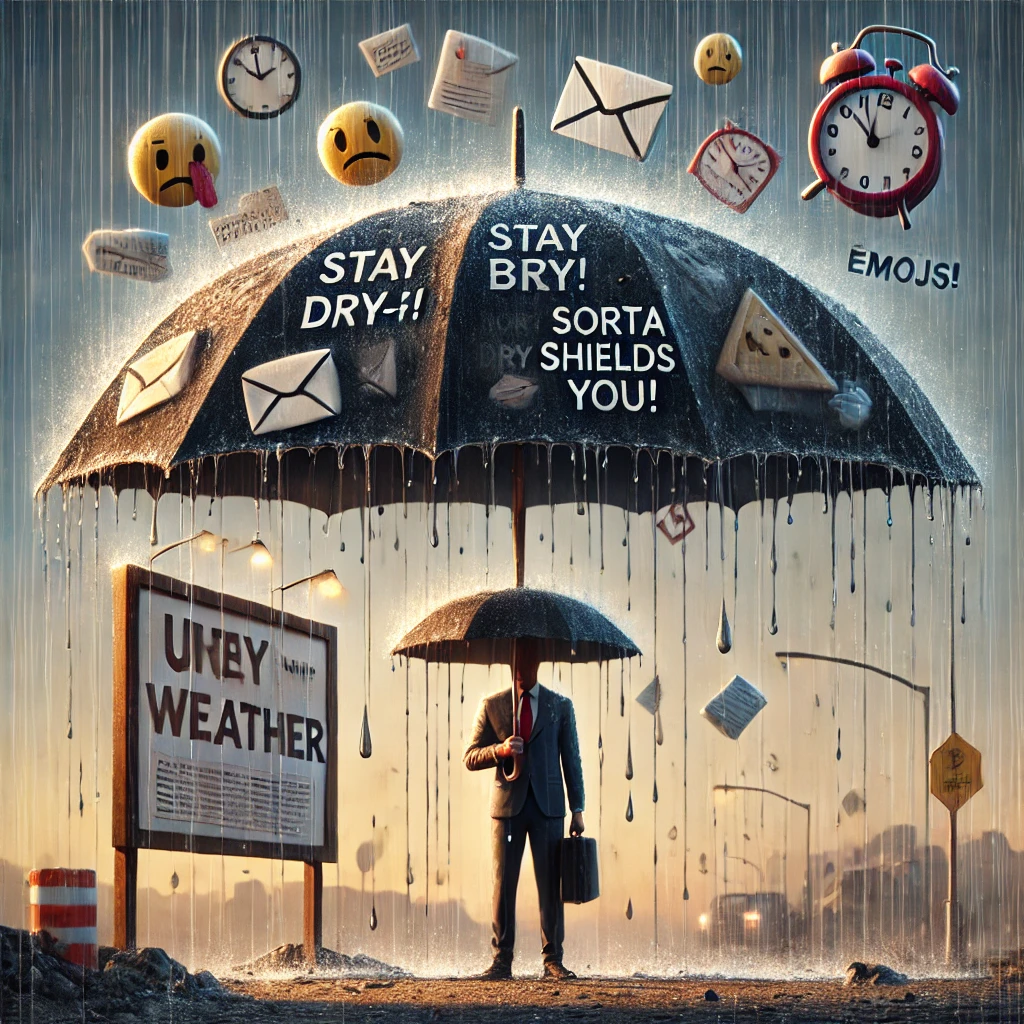
Picture this: an umbrella company so bad at its job, they produce umbrellas that leak negativity as much as rain. For some, feeling “under the weather” is like standing overhead of those very umbrellas—aggressively unable to halt the drizzle of modern expectations from up high! Who knew umbrellas could mislead as much as turncoat reputations?
Lost at Sea, Found in Phrase
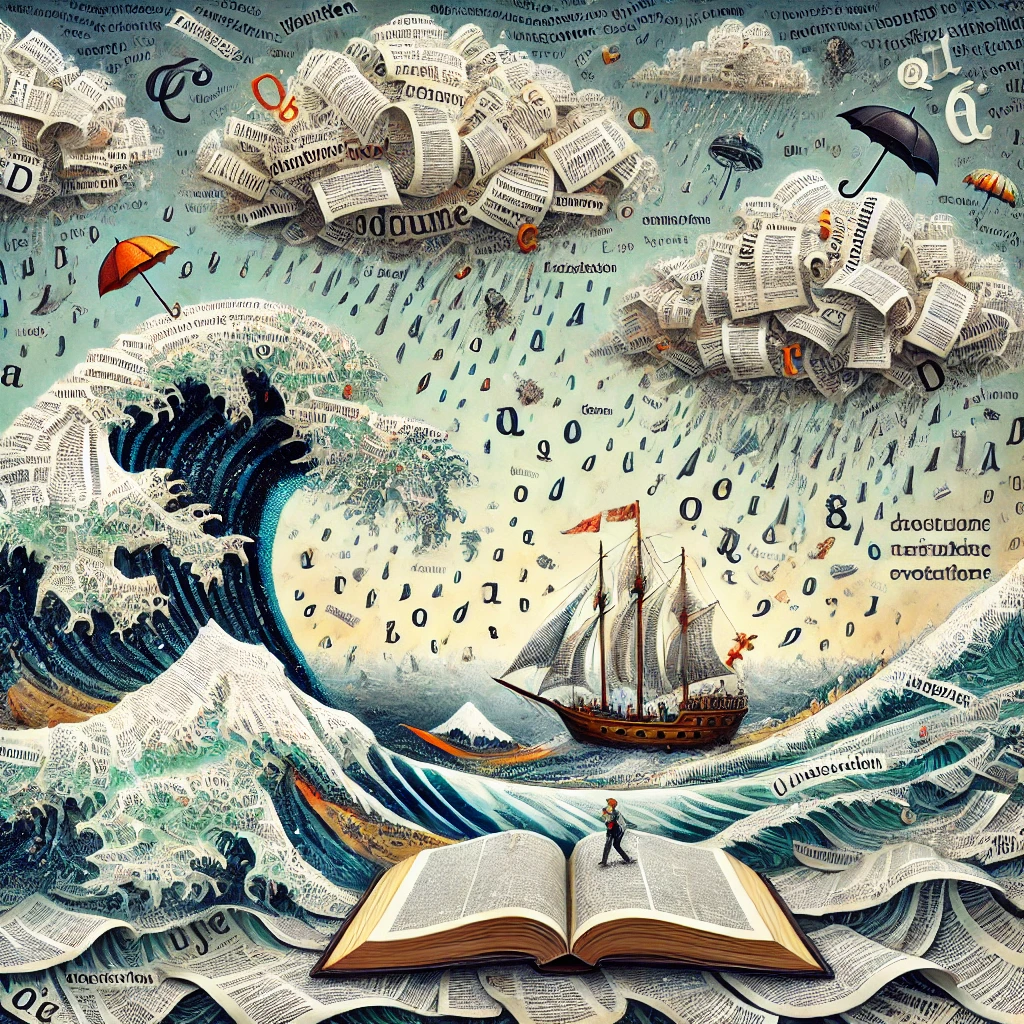
As we’ve seen, “under the weather” offers endless fantastical imagery—it catapults from maritime maladies to whimsical phrases tucked amid dictionaries—somewhere, on the slippery slush of linguistic evolution, riding the tides of language’s vast oceans!
Conclusion:
In our modern linguistics journey, who’d have thought we’d hitch phrase-y rides on desperate sailors’ sea-sick spells? All laughs aside, this bumbling journey from sailor woes to soft tissues steaming above cozy teacups serves as a strange reminder: language never truly stands still. Like sailors of old, it voyages! Humanity mastered science and explored realms current and beyond—but every step amid our dusty precious vernacular shows hilarity that strokes even the dullest horizons. Truly, our souls are seasoned marvels.
Author’s Take By William Thomas:
Writing this was a splendid adventure across language waters! “Under the Weather” boasts nautical character and gleeful evolutions bringing delightful imagery. Finding hilarity amid phrase history is captivating—a personal reminder life’s linguistic voyages never cease to astound. Cheers to the winds of word wanderers!
If your jaw dropped at least once, my job here is done.
🕵️♂️ Fact-Check Corner:
Yes, the phrase “under the weather” did traverse from sailors feeling the effects of seasickness to its current more generalized malaise meaning. Original usage by sailors involved nautical terminology, safeguarding themselves during treacherous weather. Modern familiarity expands to cover general sickness and even emotional lows—offering delightful imagery beyond its maritime birth!
