

Kings Ordered to Wear Tutus?! Totally True Royal Rules
Historical Royalty Got Weird: Quirky Rules That Will Bewilder You


Introduction:
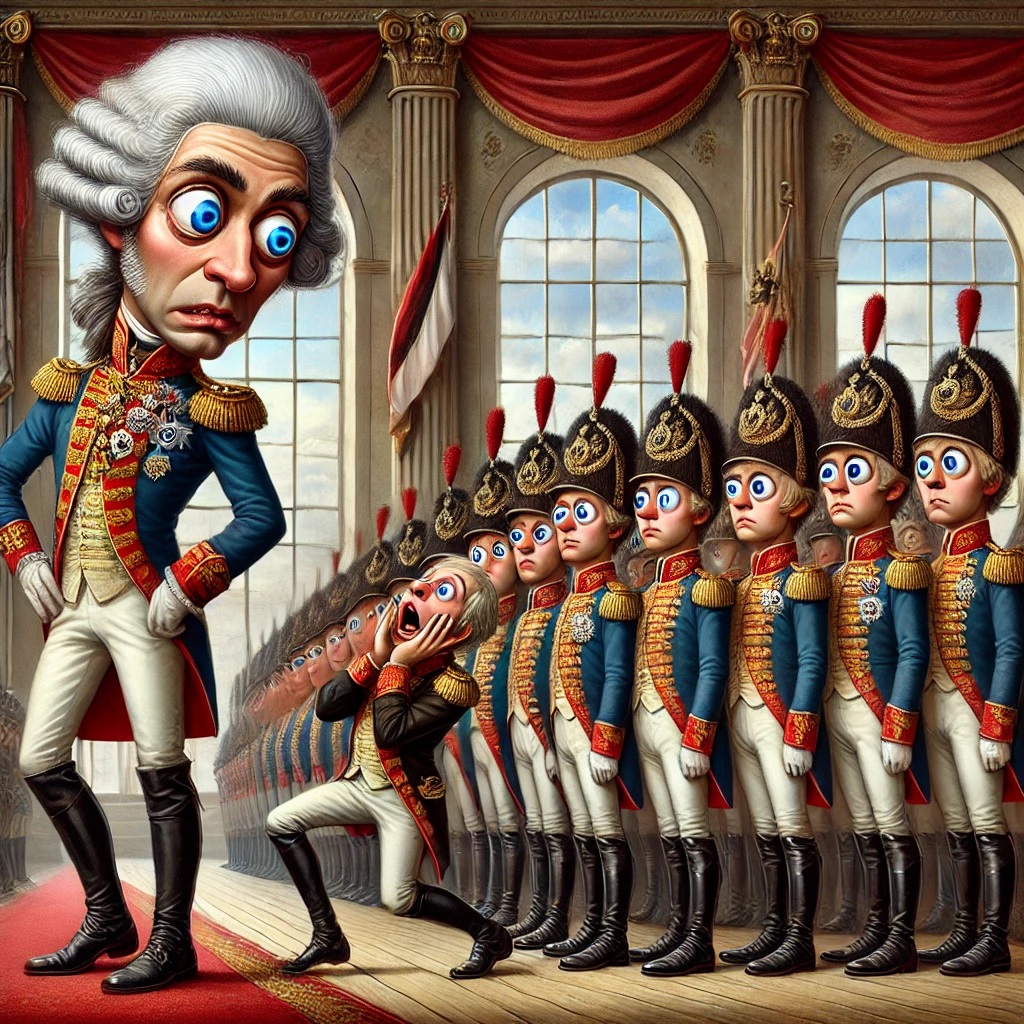
Picture this: Somewhere in 18th-century Prussia, King Frederick William I insists that only his own blue-eyed soldiers guard his palace, and any solider who dared to look plain ol’ brown-eyed was—wait for it—immediately booted from the elite regiment. Talk about eye discrimination before colored contacts! If you’ve ever thought your workplace rules were odd, you’re in for a royal treat. Royals throughout history have enforced whimsies that were, frankly, more baffling than my cat’s fascination with the vacuum cleaner. As you journey through these frankly head-scratching royal rules, remember: What you’re about to read is not fiction—no matter how much reality wishes it were.
1 The French Law That Prohibited Flying Tomatoes

In the peculiar book of Bonapartian bureaucracy, Napoleon’s government decreed that no flying machines would carry tomatoes across the city air space. While the French impact on tomatoes remains deliciously culinary, flying them? Well, that never quite took off. Who knew tomatoes were once considered aviation’s prime concern? The next time you see a drone, imagine it lugging tomatoes—thanks, Napoleonic aviators, for grounding that fantastic vision.
2 The Royal Mustache Monopoly
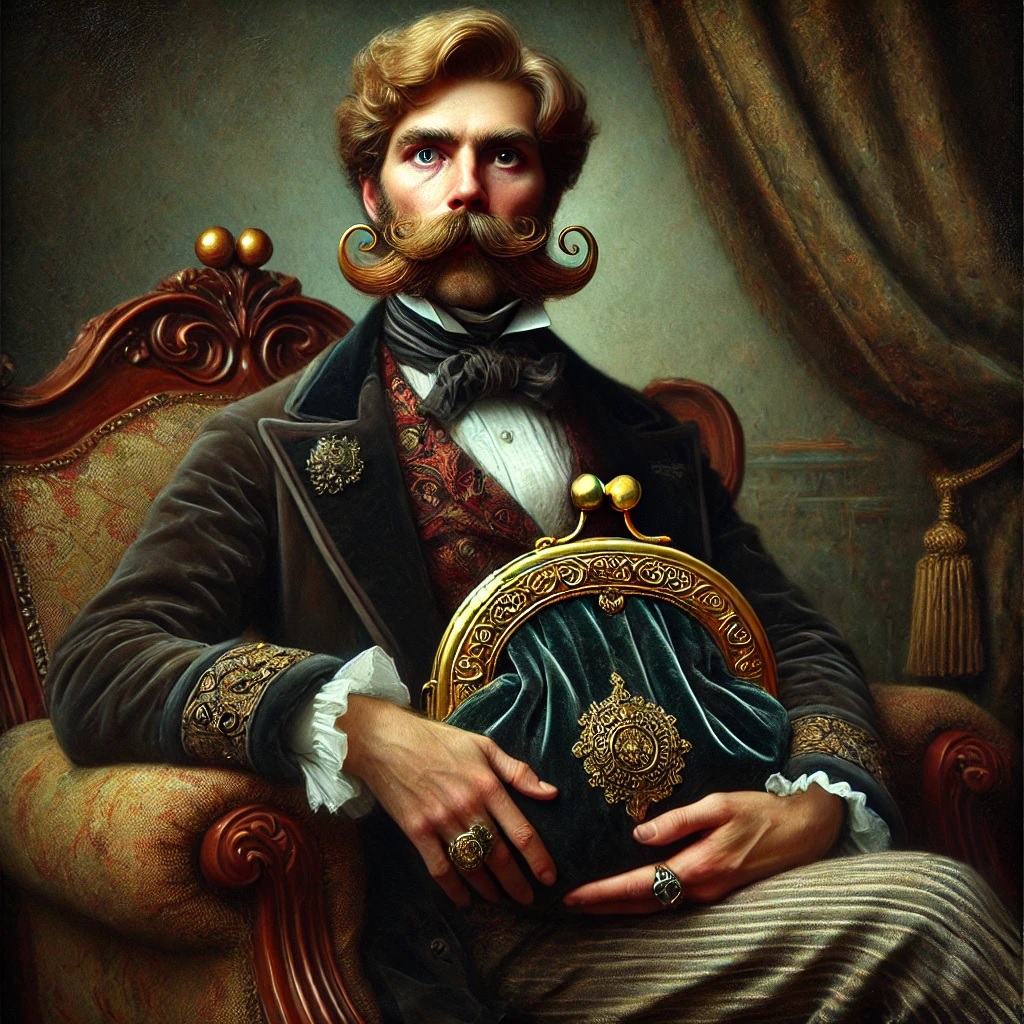
In 16th-century England, Queen Elizabeth I made a point—on her face. Keen on taxation and spurning mere movember trends, her majesty imposed a mustache tax. Only those with hefty purses could grow lip foliage. It’s as if monetizing facial hair was an official royal sport. So, to the last standing mustachioed man of Elizabeth’s reign, we tip our metaphorical hats—and absolutely avoid any upper-lip challenges in modern times.
3 The Peacock Feather Fad
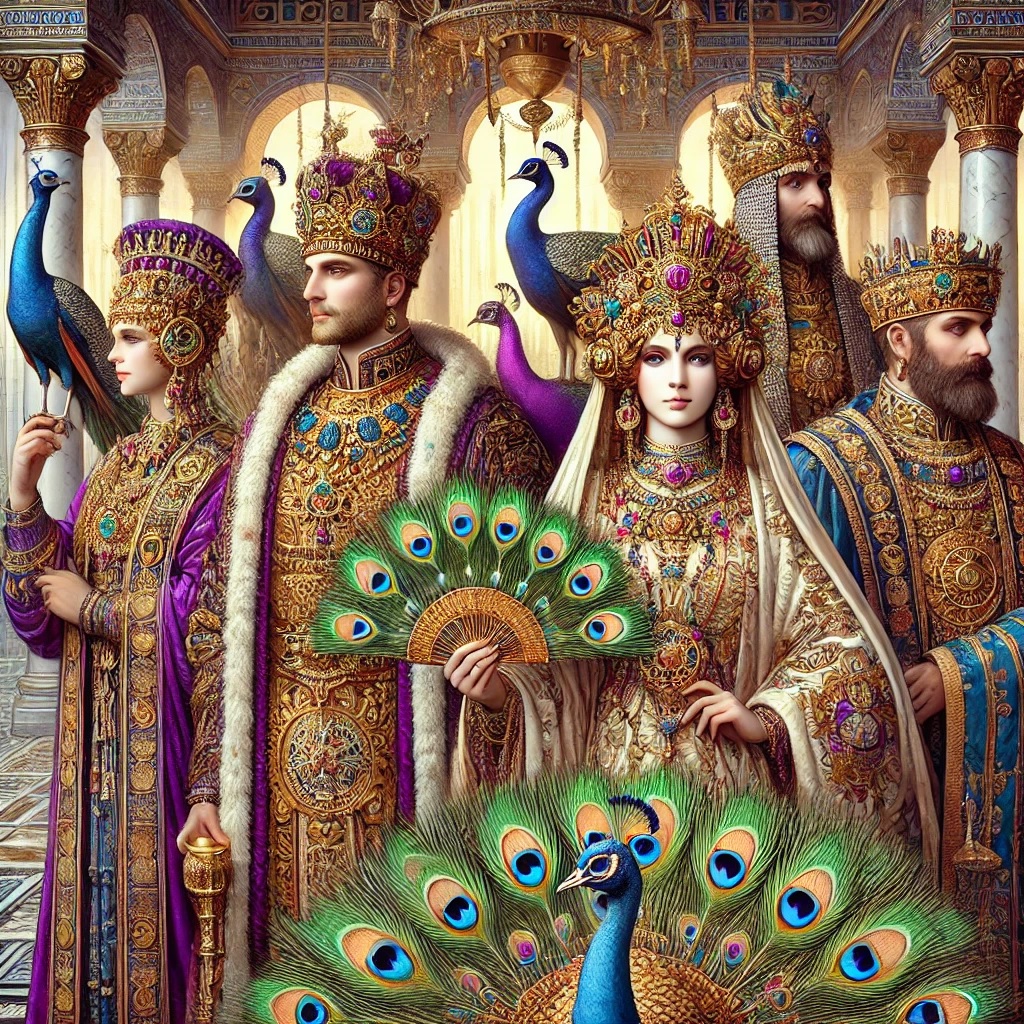
In the wacky court of Byzantine Emperor Basil II, fashion-forward royals adored peacock feathers so much they regulated their exclusive use. You weren’t truly anyone till you roofed your chariot (and ego) in splendid, multicolor plumage. Next time you see an old regal photo, inspect it—who knows, you might spot the prototype of the peacock couture runway ahead of its time.
4 A Jester’s Right to Chicken Scepters

During the reign of King Jongle the Quirk, jesters were not mere entertainers—they had policy-making poultry props. To earn an audience with the king, even advisors needed a rubber chicken scepter to assert their authority among the court’s jesters. Call your legal chicken…I mean counsel: the royals might have been ahead of the curve incorporating fun into ruling!
5 Danish Dolphin Whistle Decrees

A Danish King of old mandated every sea-bound vessel must carry a whistle for dolphin navigation. Forget GPS! Encourage swimming sea friends to guide you with a prairie-summoning toot. An avant-garde echo-location initiative? Perhaps. Or just a wet idea. Regardless, if you’re ever lost at sea, maybe sound off for Flipper’s extended family; the dolphins just may have precedence.
6 The No-Picture Policy at Versailles
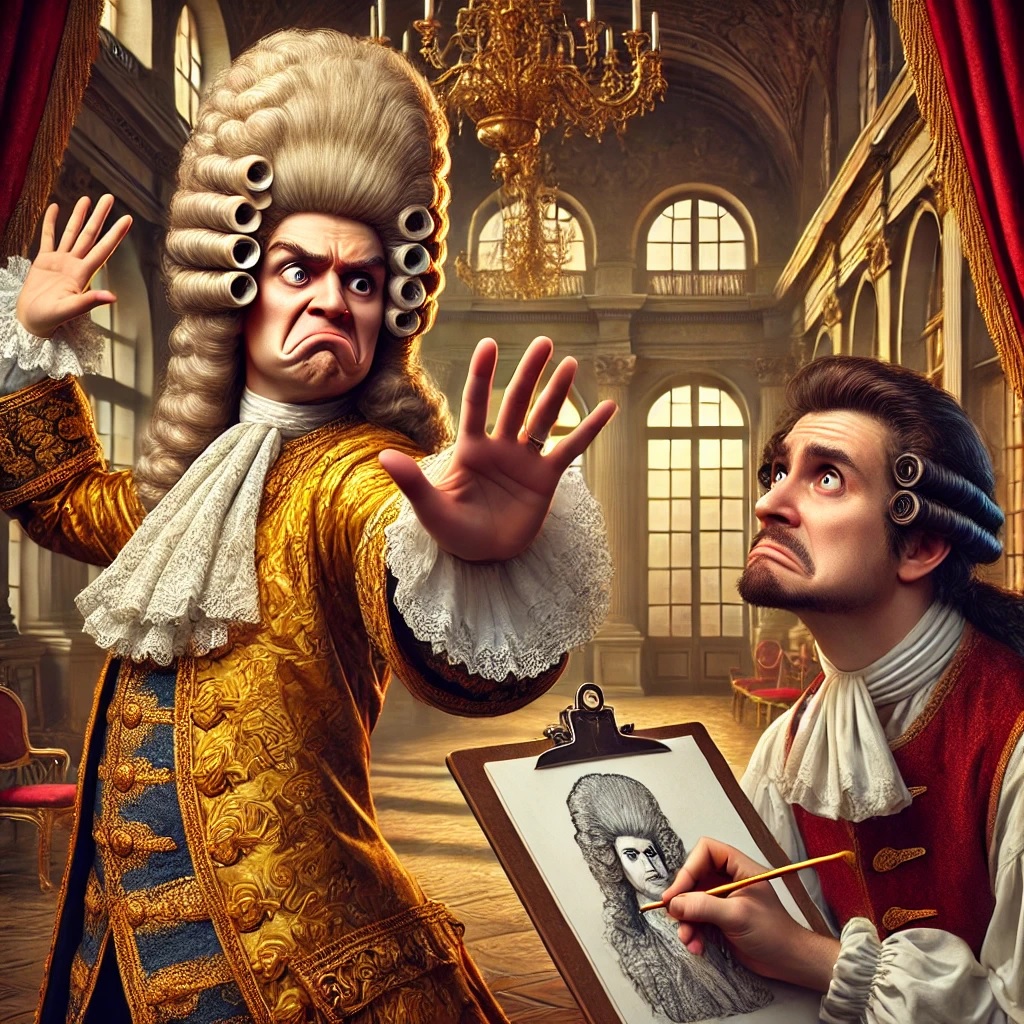
Once upon a flamboyant French court time, Louis XIV, in whimsical spite of paparazzi, disallowed any depictions—of his bad-hair days, no less! In the first coordinated no-photo policy, no sketch could bear his sour expressions without his oh-so-royal permission. Oh, how the Sun King would bask in today’s Instagram filters!
7 Knighthood in Kangaroo Suits

The Greenlandic King Gorm the Goofy extended knights’ regalia into surreal straits when ordinances called for formal kangaroo suits during ceremonial storms. Perhaps a down-under alliance, maybe just radical hospitality, but watching the nobles “hop” was surely elite comedy before Netflix was a thing.
Conclusion:
Let’s face it: Humanity is spectacularly absurd. These royal edicts remind us, with side-splitting delight, of history’s capability to astound and amuse. While they led nations and shaped epochs, royalty also dedicated themselves to whims elucidating both brilliance and fringe logic. So cheers to absurdities that rendered some royal chapters more colorful than a peacock feather! Next time the world seems strange—well, it’s just continuing an ageless tradition.
